Green Initiatives: How E-Waste Recycling Services Are Protecting Our Planet
Electronic waste presents serious dangers to the environment, as abandoned electronic devices commonly carry harmful materials. These hazardous substances can contaminate soil and water, resulting in widespread environmental harm. E-waste recycling services present a viable solution. They not only recover valuable resources but also mitigate pollution. Understanding how these services operate and their impact on communities is essential. Pursuing efficient e-waste management brings forth pressing questions regarding individual duties and shared responsibility. What measures can be pursued from this point onward?
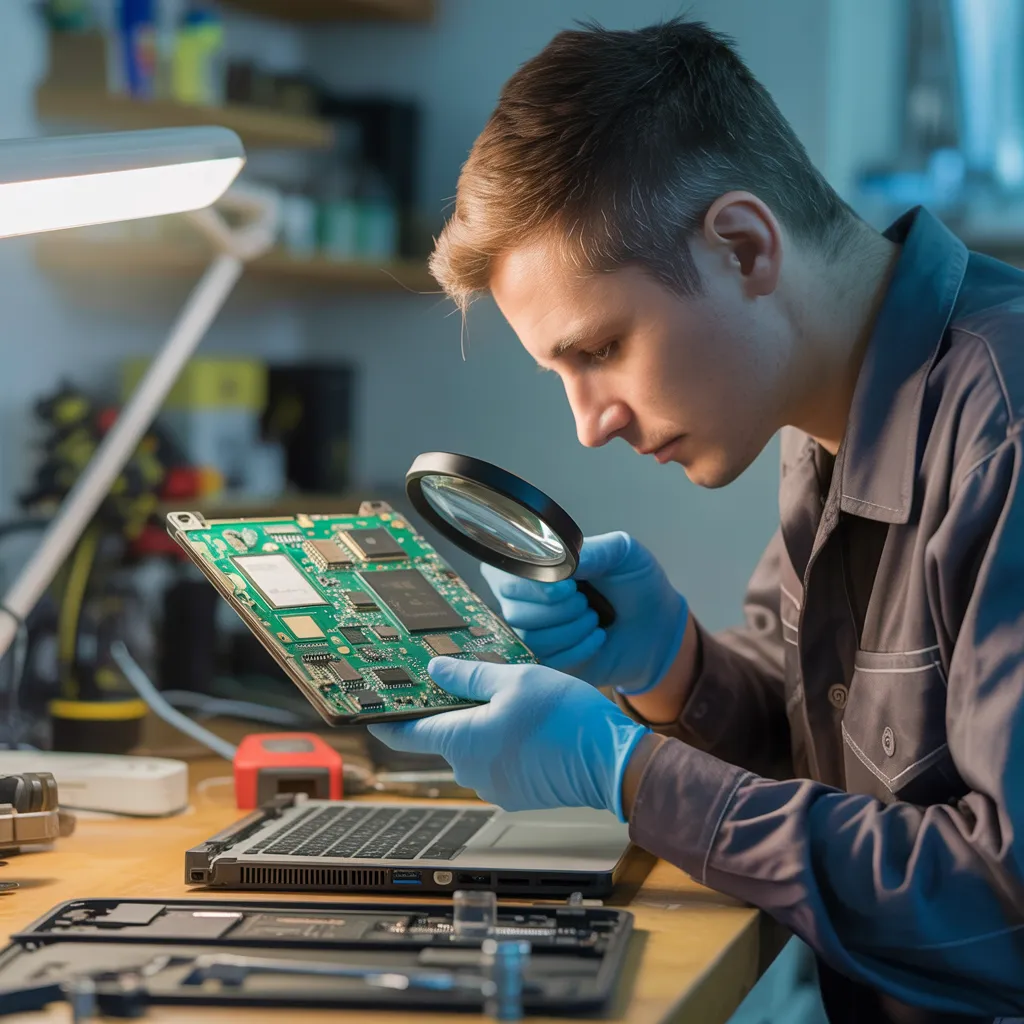
The Reasons E-Waste Is Damaging to the Planet
Even though technology enriches contemporary living, electronic waste presents significant environmental threats. Abandoned electronic gadgets, often containing hazardous materials such as lead, mercury, and cadmium, are capable of seeping pollutants into groundwater and soil, creating hazards for human health and ecosystems. The swift progression of technology leads to greater consumer replacement of electronic devices, exacerbating the accumulation of e-waste.
Landfills, already strained by waste, are unable to keep up with the rising quantities of abandoned electronics. Incineration, a common waste management technique, emits dangerous pollutants into the environment, degrading atmospheric conditions. Moreover, poor recycling procedures can cause e-waste to be sent to developing regions, where employees may disassemble electronics without sufficient safety precautions, leaving them vulnerable to harmful substances. This pattern of negligence and mismanagement highlights the critical demand for eco-friendly recycling alternatives that can reduce the damaging impact of electronic waste on the environment.
What Is E-Waste and Why Does It Matter?
E-waste, also referred to as electronic waste, includes obsolete electronic products like smartphones, computers, and televisions that have reached the end of their useful life. This rapidly expanding waste category is noteworthy because of its swift buildup, driven by technological advancements and consumer trends. As more devices become obsolete, the toll on the environment grows more severe, with toxic materials such as lead, mercury, and cadmium posing risks to ecosystems and human health.
Addressing e-waste is crucial not only for reducing these dangers but also for acknowledging the precious materials found within it. Critical metals and rare earth components can be reclaimed and recycled, decreasing the reliance on mining and Explore now protecting natural resources. By understanding e-waste and its implications, individuals and organizations can make informed decisions about disposal and recycling, ultimately contributing to a more sustainable future. Proper management of e-waste is essential for fostering a circular economy and promoting environmental stewardship.
How the E-Waste Recycling Process Works
E-waste recycling entails a structured approach designed to recover valuable materials while reducing harm to the environment. Initially, discarded electronics are retrieved and sent to specialized recycling facilities. Once there, the equipment is meticulously organized to distinguish harmful elements from reusable resources.
Following this, workers take apart the electronics, extracting glass, metals, and plastics. This phase is essential, as it makes possible the retrieval of rare metals like gold, silver, and copper, which are repurposed in new electronic devices.
Following this, the divided materials are refined with cutting-edge techniques, such as shredding and chemical treatments, to purify them for repurposing.
In the final step, the residual hazardous waste is handled with responsibility, following environmental regulations. This multi-step approach not only saves important resources but also minimizes the hazards linked to unsafe e-waste handling, ensuring a more sustainable future for electronic device usage.
The Benefits of E-Waste Recycling for You and Your Community
Though many people are unaware, the advantages of e-waste recycling extend beyond personal convenience to positively impact entire communities. By properly recycling electronic waste, individuals play a role in creating a cleaner environment, decreasing harmful substances that can seep into soil and water. This proactive approach helps preserve local ecosystems and advances public health.
Moreover, e-waste recycling promotes workforce growth within communities. Local recycling facilities often require personnel for numerous tasks, from collection to processing, thus generating valuable job opportunities to area workers. This not only strengthens the regional economy but also encourages community engagement in sustainable practices.
In addition, understanding of e-waste recycling is capable of inspiring awareness campaigns, empowering residents to embrace sustainable practices. By participating in e-waste recycling programs, individuals cultivate a culture of sustainability, prompting others to do the same. All things considered, the cumulative impact of these actions can result in a more resilient and environmentally responsible community.
How to Choose an E-Waste Recycling Service
Picking the most suitable electronic waste recycling provider is essential for making sure that e-waste is handled responsibly and sustainably. First, individuals should confirm the company's credentials, such as e-Stewards or R2, which demonstrate conformance to established benchmarks for responsible recycling methods. Additionally, it is advisable to examine the organization's reputation by checking reviews and obtaining advice from dependable sources.
Next, openness in the recycling process is crucial. A trustworthy company should offer detailed insights about the manner in which e-waste is managed and what becomes of the materials. Additionally, evaluating the range of services offered can be beneficial; some companies may provide pickup services or offer incentives for recycling.
Ultimately, learning about area-specific requirements for e-waste disposal can additionally influence the selection process. By prioritizing these factors, consumers can play a role in effective e-waste management while supporting sustainable environmental efforts.
Ways You Can Participate in E-Waste Recycling?
Engaging in e-waste recycling often starts at the local level, where local recycling facilities often provide essential services for proper disposal. Moreover, taking part in community awareness campaigns can enhance efforts to raise awareness about the importance of responsible e-waste management. Such efforts not only encourage sustainable practices but also foster a collective sense of stewardship of the environment.
Local Recycling Centers
Several community recycling facilities perform an important function in recycling electronic waste, providing communities with accessible options to discard electronic waste in an eco-friendly way. These stations receive a variety of digital devices, including aging computers, cell phones, and television sets, ensuring that harmful materials are handled safely. The majority of facilities employ trained staff who help individuals navigate appropriate disposal procedures, stressing the significance of recycling instead of landfilling. Moreover, several stations organize planned drop-off gatherings or set collection days, making it easy for residents to participate. By taking advantage of these neighborhood resources, individuals contribute to a circular economy, decreasing environmental damage and advancing sustainable approaches. Connecting with these stations allows communities to address e-waste pollution proactively.
Community Education Campaigns
Nearby organizations, schools, and enterprises can work together to organize events that support e-waste collection drives. Dedicated participants can take a leading part in raising awareness, sharing informational resources, and connecting with local residents. By means of these joint initiatives, community members grow more knowledgeable and inspired to dispose of their electronics responsibly, thus playing a meaningful role in creating a more environmentally responsible future.
Common Questions and Answers
Which Types of Electronics Are Recyclable?
A wide range of electronics may be recycled, including computers, smartphones, televisions, laptops, gaming consoles, and printers. Moreover, ancillary devices such as keyboards, mice, and batteries are well-suited for recycling, contributing to efforts to conserve the environment.
Are There Fees Involved With E-Waste Recycling?
That's correct, e-waste disposal may involve fees, based on the facility. Some facilities apply costs for pickup or handling, while other facilities offer free services, frequently supported by the proceeds from salvaged materials.
What Are the Benefits of E-Waste Recycling for Businesses?
Companies can take advantage of e-waste recycling by lowering disposal expenses, enhancing their environmental image, complying with regulations, recovering valuable materials, and possibly earning income through resale, ultimately contributing to a more sustainable operational strategy.
What Occurs with Data on Recycled Devices?
Data from refurbished equipment is commonly irretrievably wiped or destroyed during processing. This confirms confidential data stays protected, stopping improper access while enabling components to be reused safely and responsibly in new products.
Is It Possible to Recycle Damaged Electronics?
Yes, defective electronics may be recycled. Numerous centers accept damaged devices, ensuring safe disposal and recovery of useful materials. Doing so helps reduce harm to the environment while encouraging sustainable recycling habits to handle electronic waste effectively.